


Can You Give Sadaqah to Mosque? Ways to Give
08 Sep, 2026Yes, you can give Sadaqah to a mosque for its maintenance, construction, utilities, and running programmes. Voluntary Sadaqah and Lillah donations given to a mosque count as Sadaqah Jariyah, earning ongoing reward for every prayer, class, and act of worship held there. However, obligatory payments such as Zakat cannot be given to a mosque and must go directly to eligible human recipients.
For UK Muslims, the key is to label each payment clearly so the mosque knows exactly how to use it.
Giving Sadaqah To A Mosque: A Clear Answer For UK Muslims
Voluntary Sadaqah can be given directly to a mosque because it is a flexible form of charity. A mosque may use it for carpets, heating, repairs, Qur'an classes, cleaning, insurance, community activities, or a building project, provided the donor has not restricted it to something else.
Many UK Muslims also give through trusted platforms such as Donate Directly when they want giving to be fast, transparent, and easy to track. Donate Directly is an AI-powered charity platform that sends cash directly to people in need with no middlemen, no delays, and a 0% platform fee. This is especially useful when a donation must reach eligible people rather than a building fund.
Understanding Sadaqah, Lillah, Waqf, And Zakat
The confusion usually starts because Muslims use several charity terms in everyday speech. Sadaqah means charity, but it can be voluntary or obligatory depending on the context. Lillah is voluntary charity given for the sake of Allah, often used for general mosque running costs. Waqf is an endowment, where an asset or fund is set aside for long-term benefit. Zakat is different because it is obligatory, calculated by rules, and must reach eligible recipients.
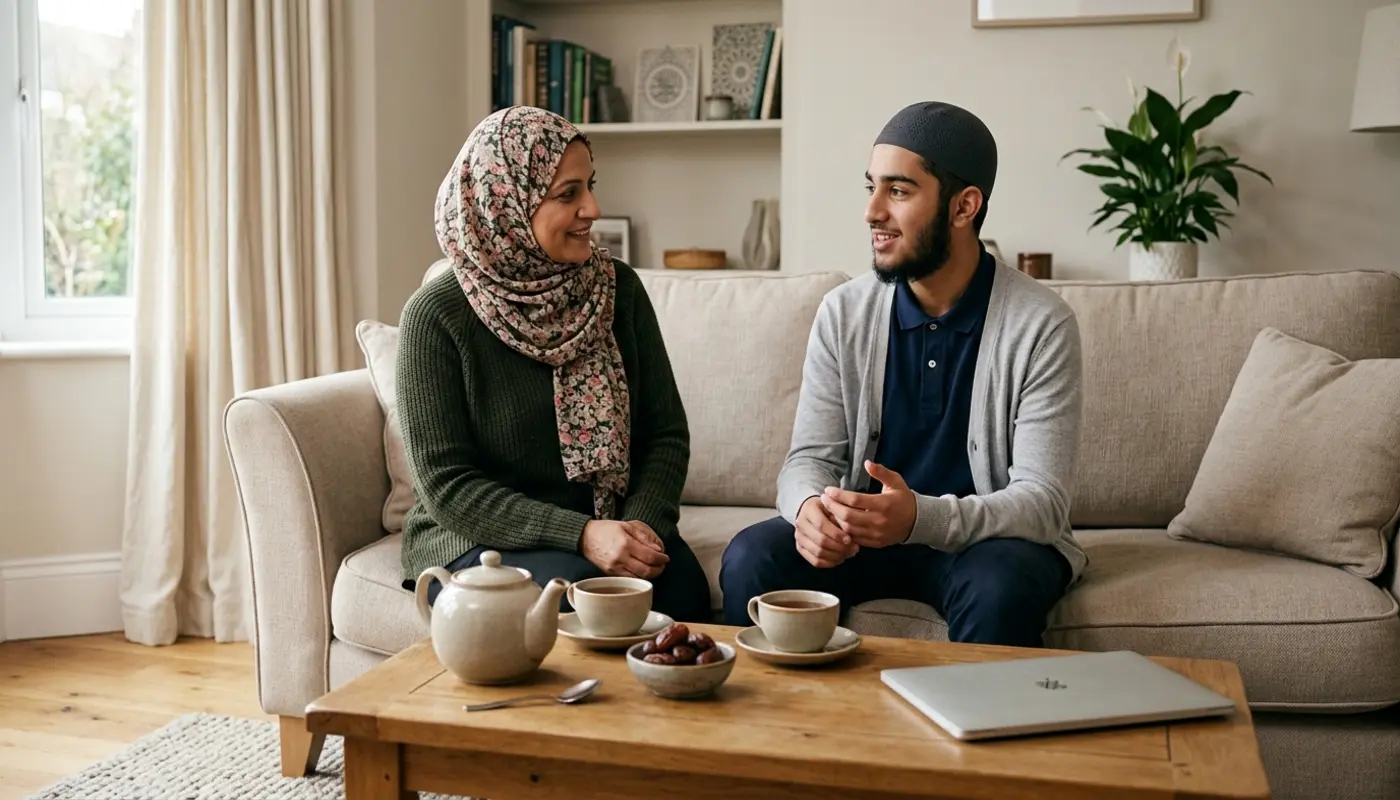
Think of voluntary Sadaqah as flexible, but Zakat as ring-fenced. If you put money in a mosque box marked Lillah or Sadaqah, it can usually support the mosque. If you put money in a Zakat box, the mosque must distribute it only to valid Zakat recipients, not spend it on carpets, bills, or an extension. That small label matters more than people realise. If in doubt, ask the mosque treasurer before donating, as one quick question can save a lot of confusion later.
How Sadaqah Differs From Lillah And Waqf
Sadaqah is a broad word for charity. Lillah is normally used for voluntary charity with no strict recipient category, which makes it suitable for mosque projects. Waqf is more specific and long-lasting, such as donating land, a property, or capital that continues to serve the mosque for years.
A one-off donation towards a mosque roof may be Sadaqah or Lillah, while a permanent fund supporting mosque education could be treated as Waqf if set up properly. For a deeper comparison, Donate Directly has a helpful article on Sadaqah and Lillah.
What Scholars Say About Giving Sadaqah To A Mosque
Mainstream scholars generally allow voluntary Sadaqah and Lillah to be given to a mosque. This includes donations for maintenance, construction, lighting, heating, educational activities, welfare services, and other permissible community benefits.
The important distinction is whether the charity is voluntary or obligatory. Voluntary giving can support an institution that benefits worshippers and the local community. Obligatory giving, such as Zakat, has separate rules and cannot simply be redirected to mosque expenses because the mosque itself is not a poor person.
Some technical terms are worth making simple. Tamlik means transferring ownership to an eligible person. Zakat normally requires ownership to pass to someone who qualifies, such as a poor or needy person. A mosque building cannot own Zakat in that sense, nor can it be poor in the way a human being can. That is why most scholars say Zakat cannot be used for mosque bills or construction. It is not a small paperwork issue. It is part of what makes Zakat valid.
Can Zakat Be Given To A Mosque Like Sadaqah?
No, Zakat cannot be given to a mosque in the same way as voluntary Sadaqah. A mosque may collect Zakat as an agent, but it must then pass it to eligible people. That is different from donating Zakat to a mosque building project.
If a mosque has a clear Zakat distribution process, you can ask who receives the funds, whether recipients are assessed, and whether your payment is kept separate from Lillah money. Donate Directly also provides a Zakat calculator and verified Zakat-eligible campaigns covering Gaza, Pakistan, Yemen, and beyond, with AI verification and detailed case reviews to help ensure funds reach the right people quickly and transparently.
There are minority discussions around the phrase fi sabilillah, meaning in the path of Allah, and whether it could include certain institutional projects in particular circumstances. However, many UK Muslims prefer the safer mainstream position: use Zakat for eligible human recipients and use Sadaqah or Lillah for mosques.
If your local scholar advises differently for a specific case, follow qualified guidance and ask for clarity in writing. It is not about making giving difficult. It is about protecting the worship of Zakat so the donor can feel confident their obligation has been fulfilled.
How Mosque Sadaqah Can Become Sadaqah Jariyah
Sadaqah Jariyah means ongoing charity, where benefit continues after the initial donation. A mosque is a strong example because its benefits repeat daily. Every prayer, Qur'an lesson, children's class, counselling session, convert support circle, and community gathering can create ongoing reward for those who helped make it possible.
That is why people often donate towards mosque construction, wudu facilities, heating systems, carpets, libraries, ramps, and classrooms as Sadaqah Jariyah. The reward is linked to ongoing benefit, not the size of the plaque on the wall.
Donate Directly also offers Sadaqah Jariyah options beyond mosque support, including Sadaqah Jariyah projects such as olive tree planting, water wells, food boxes, and Palestinian dates tins. These examples show the same wider principle: choose something that continues to benefit people.
The platform has delivered over $10 million in direct cash assistance to families worldwide, which matters because many donors now want both spiritual reward and strong transparency. Whether supporting a mosque locally or a family in urgent need abroad, clear intention and clear delivery both matter.
What Mosque Projects Can UK Muslims Support?
UK mosques do far more than open for the five daily prayers. They often run weekend madrasahs, youth sessions, funeral support, women's study circles, foodbanks, marriage advice, mental health signposting, and help for new Muslims. Voluntary Sadaqah can support these services if the mosque accepts it for that purpose.
It can also fund practical things nobody gets excited about, such as gas bills, roof repairs, fire safety checks, cleaning supplies, and security systems. Not glamorous, granted, but very necessary. A warm prayer hall in January does not appear by magic.
Mosque Running Costs: Heating, lighting, cleaning, insurance, security, and general upkeep.
Prayer Hall Repairs: Carpets, roofs, sound systems, disabled access, and maintenance work.
Qur'an Learning Classes: Teaching resources, classrooms, teacher support, and student facilities.
Youth Support Programmes: Mentoring, study circles, sports sessions, and safe community activities.
Accessible Wudu Facilities: Wudu areas, ramps, accessible toilets, and safer facilities for older or disabled worshippers.
Community Welfare Services: Foodbanks, advice sessions, family support, and help for vulnerable community members.
Long-Term Expansion: New classrooms, prayer space, libraries, and facilities that meet growing community needs.
If you want your donation to fund a specific project, say so clearly before you give. For example, write "Sadaqah Jariyah for classroom refurbishment" or "Lillah for winter heating costs" in the payment reference where possible. If the mosque cannot guarantee restricted use, it should tell you honestly.
Good mosque management is not just about beautiful recitation and full taraweeh rows, although those are lovely. It is also about clear accounts, respectful communication, and using donations as promised.
How To Verify A UK Mosque Before Giving
Before giving a larger amount, especially online, check whether the mosque is registered with the Charity Commission. Registration does not make every organisation perfect, but it gives donors a public record to review.
You can search the official Charity Commission register by mosque name, postcode, or charity number. Look at the charity status, trustees, latest accounts, and whether filings are up to date. If the mosque says it is registered but cannot provide a charity number, pause and check before sending money.
You can also look for practical signs of transparency. Does the mosque publish annual accounts or updates after major fundraising campaigns? Are donation pages secure, with a proper website address and HTTPS? Are bank details shared through official channels rather than random forwarded messages? Are Zakat, Sadaqah, Lillah, and building funds separated properly?
None of this requires you to become an accountant, thankfully. It just means taking a few sensible steps before parting with your hard-earned money.
How UK Muslims Can Give Sadaqah To A Mosque Online
Online giving can make mosque donations quicker and easier, especially for people who want to give regularly. Choose the correct donation category, check whether it says Sadaqah, Lillah, building fund, or Zakat, and add a short note if the donation is for a specific purpose.
Secure donation forms should use a trusted payment provider, a proper website address, and clear receipt information. If you are setting up a standing order, keep the payment reference simple and accurate, such as "Lillah heating" or "Sadaqah Jariyah classroom". It may feel like a small detail, but it helps the mosque record and use your donation correctly.
What Intention Should You Set When Giving?
Your niyyah, or intention, should match the type of donation. If you want the mosque to use the money wherever needed, intend Lillah or general voluntary Sadaqah. If you want ongoing reward from a long-term benefit, intend Sadaqah Jariyah for a named project such as construction, education, water facilities, or accessibility.
If you are giving on behalf of a deceased parent or relative, make that intention before donating and choose something beneficial that will continue, such as a prayer space, class, or long-term community service. Keep Zakat separate in your mind, your payment reference, and the mosque's records.
Online giving makes this easier when the donation form is well designed. Choose the right fund, check the label, add a note if needed, and keep your receipt. If the mosque offers standing orders, monthly Sadaqah can help with stable running costs.
If you are supporting direct relief as well as local mosque work, platforms like Donate Directly use AI verification and case reviews to make giving more transparent. You can also explore mosque-related giving through their build a mosque page, while still keeping Zakat and voluntary charity clearly separated.
Frequently Asked Questions
Can Sadaqah Be Given Directly To A Mosque In Islam?
Yes, voluntary Sadaqah can be given directly to a mosque for permissible needs such as maintenance, construction, utilities, and community programmes.
How Does Giving Sadaqah To A Mosque Differ From Lillah?
Sadaqah is a broad term for charity, while Lillah usually means voluntary charity given for the sake of Allah with flexible use. In mosque fundraising, the two are often used closely, but the mosque should still explain how funds are spent.
Can Sadaqah Given To A UK Mosque Count As Sadaqah Jariyah?
Yes, it can count as Sadaqah Jariyah if it creates ongoing benefit, such as prayer facilities, classes, water areas, or long-term community services.
Can Zakat Be Given To A Mosque In The Same Way As Sadaqah?
No, Zakat cannot be used for mosque expenses. It may only pass through a mosque if the mosque acts as an agent and gives it to eligible Zakat recipients.
What Intention Should I Set When Giving Sadaqah To A Mosque?
Set a clear intention, such as general Lillah, Sadaqah Jariyah for a specific project, or charity on behalf of a loved one. Keep Zakat separate from voluntary mosque donations.