


How to Help Palestinian Orphans
05 Sep, 2026To help Palestinian orphans, sponsor a child through a verified humanitarian organisation registered with the UK Charity Commission, covering food, clothing, education, and medical care through a fixed monthly contribution. Alternatively, give a one-off emergency donation towards urgent food parcels, clean water, or winter clothing. DonateDirectly is a UK charity actively providing orphan sponsorship and child relief programmes in Palestine.
If you are reading because you feel helpless, you are not alone. Many UK donors want to help but are unsure where to begin. A safe first step is to choose transparent support, such as monthly giving, and check how funds are reviewed, delivered, and reported.
Before donating, look at the charity registration, beneficiary checks, donation options, and impact updates. A little checking at the start can give you much more confidence later.
How To Help Palestinian Orphans From The UK
The most practical way to help Palestinian orphans from the UK is to combine regular child support with emergency relief. Monthly sponsorship helps provide stability. One-off giving can respond to urgent needs such as food, clean water, warm clothing, shelter items, and medical support.
If you are a Muslim donor, decide whether your gift is Zakat, Sadaqah, or Sadaqah Jariyah before donating. That choice matters because each type of giving has a different intention. Zakat also has specific eligibility rules. DonateDirectly states that it uses digital verification, case reviews, and direct support methods to improve transparency and help assistance reach the right people. If you are unsure where to start, reading about orphan sponsorship can help you understand the process before you commit.
What Support Provides On The Ground
Supporting a Palestinian orphan is not just about sending money and hoping for the best. Proper orphan support usually covers everyday essentials that a child needs to survive, feel safer, and keep some routine in a very unsettled environment. This may include food, hygiene items, clothing, school materials, medical care, winter support, and help for the caregiver looking after the child.
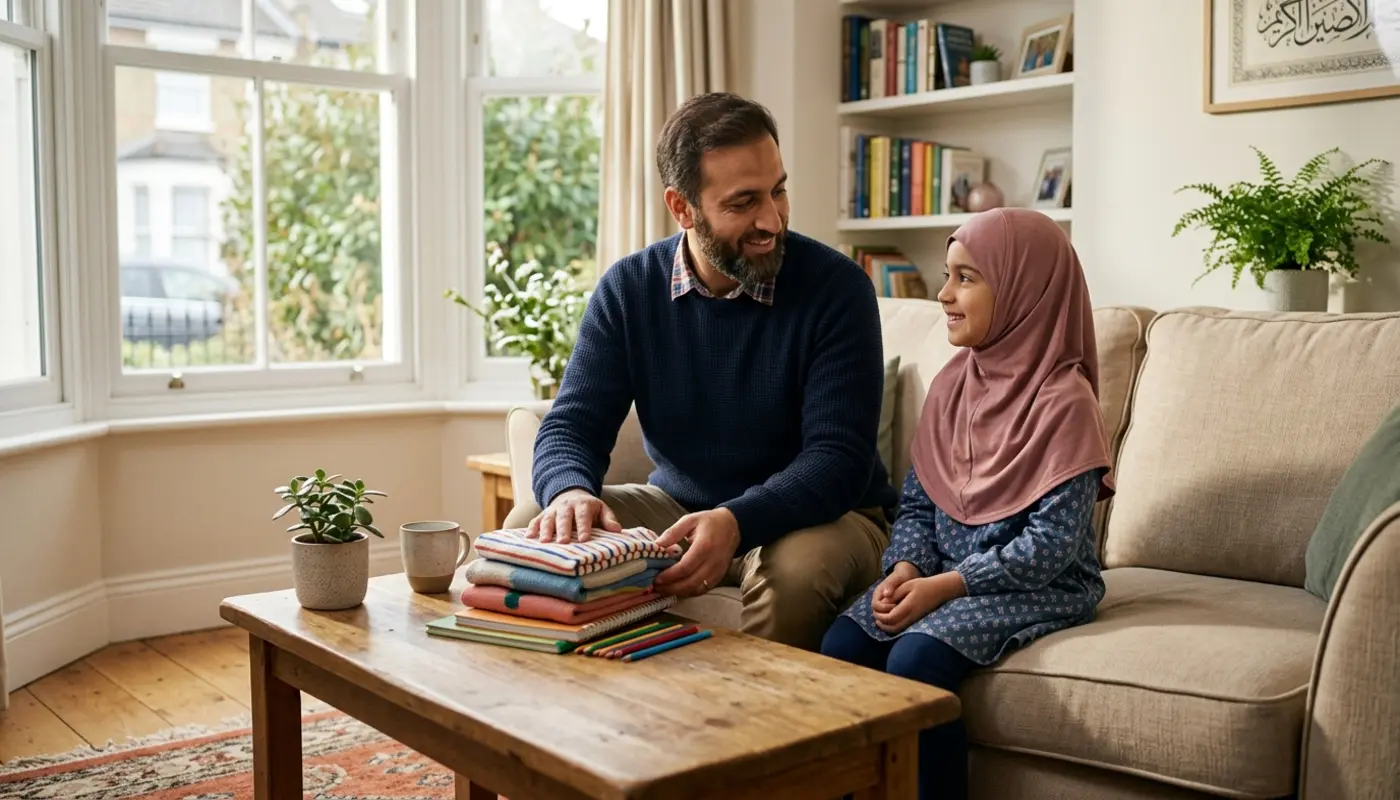
In many cases, support is given to the household rather than the child alone. Children are safer when the whole home has enough to eat and basic living needs are met. It can also reduce pressure on widowed mothers, grandparents, older siblings, or relatives who suddenly become full-time carers.
Good programmes explain what your contribution is expected to fund and how children or families are assessed. Nobody wants their donation disappearing into a foggy admin cloud, which is why clear reporting matters. Direct cash support can be useful when families need flexibility. One household may need food urgently, while another may need medicine, rent support, or warm clothes. Done carefully, it respects the dignity of families by allowing them to meet their most urgent needs first.
Why The Orphan Crisis In Gaza And Palestine Is Growing
The crisis in Gaza and across Palestine has left many children without one or both parents. Many more are without safe homes, stable schooling, or reliable access to food and healthcare. Children are also losing extended family networks, which normally act as a safety net when tragedy strikes.
When hospitals, schools, homes, and community services are damaged or overwhelmed, the impact on orphaned children becomes even more serious. A child who has lost a parent may also be displaced, hungry, traumatised, and separated from familiar surroundings all at once. That is a huge burden for any child to carry.
This is why orphan support cannot be treated as a simple monthly transaction. Emergency aid keeps children alive today, while sponsorship gives them a better chance of protection and routine over time. A food parcel may help a child through the week. Regular support can help keep them clothed, cared for, and connected to education where access allows. UK donors who want to respond well should think in layers. Immediate survival, medium-term care, and long-term recovery all matter.
What Islam Says About Caring For Orphans
In Islam, caring for orphans carries immense reward and is mentioned repeatedly as a sign of sincere faith, mercy, and social responsibility. The Qur'an strongly encourages kindness towards orphans and warns against neglecting or mistreating them. The Prophet Muhammad, peace be upon him, also taught that the one who cares for an orphan will be close to him in Paradise, a narration that many Muslims hold very dear.
This is not just emotional encouragement. It is a practical call to protect children who have lost the people who would normally defend, feed, guide, and comfort them. Supporting an orphan is therefore both a humanitarian act and an act of worship.
For UK Muslims, the key is to give with care and intention. If your donation is Zakat, make sure the recipient is eligible and that the organisation can distribute it correctly. If your donation is Sadaqah, you have more flexibility, and it can support urgent needs more broadly. If your intention is ongoing reward, you may also consider long-term forms of giving alongside child support, such as Sadaqah Jariyah.
Zakat And Sadaqah For Palestinian Orphans
Zakat is an obligatory form of giving for eligible Muslims and must be given to people who fall into specific categories mentioned in the Qur'an. Orphanhood by itself is not automatically a Zakat category. However, many orphans may qualify because they are poor, needy, displaced, or without sufficient financial support.
That means Zakat can often be used for Palestinian orphans when proper checks confirm eligibility. Sadaqah is voluntary charity and can be given at any time, in any amount, for a wider range of needs. If that sounds like a lot to keep in your head, you are not alone. The simplest approach is to use a trusted Zakat process or a clear Zakat calculator, then choose campaigns marked as Zakat eligible.
The main difference for donors is intention and restriction. With Zakat, you should intend Zakat and ensure it reaches eligible recipients. With Sadaqah, you can give towards food, water, shelter, medical relief, education, or general child welfare without the same formal eligibility conditions. Both can be powerful when used properly.
Can Gift Aid Increase Your Support?
Gift Aid is a UK tax relief scheme that can increase the value of eligible charity donations at no extra cost to the donor. If you are a UK taxpayer and you make a valid Gift Aid declaration, a registered charity may be able to claim an extra 25p for every £1 you donate.
That means a £100 donation could become £125, which is a helpful boost when children need food, clothing, medicine, and safe care. You must have paid enough UK Income Tax or Capital Gains Tax to cover the Gift Aid claimed on your donations. You can check official information through Gift Aid guidance.
For orphan sponsorship, Gift Aid can make regular giving go further if the charity is eligible to claim it. It is worth checking whether Gift Aid applies before setting up a monthly payment, especially if you plan to give throughout the year. Keep your details accurate, and tell the charity if your tax circumstances change.
How To Verify A Charity Before Donating
Before donating, UK donors should check whether the organisation is registered, how it verifies beneficiaries, and how it reports impact. Look for clear information about safeguarding, financial transparency, campaign eligibility, and how donations are delivered.
A trustworthy organisation should not make vague promises or pressure you with confusing claims. It should explain what your donation does, who may receive it, and what checks are in place. DonateDirectly says its model focuses on direct cash assistance, digital verification, detailed case reviews, and transparent delivery. You should still review the charity's current information, including any fee details and campaign terms, before giving.
It is also sensible to choose a donation route that matches the need. If you want ongoing child support, monthly sponsorship is usually best. If you want to respond to hunger, dehydration, cold weather, or sudden displacement, emergency relief may be more suitable. Some donors split their giving. They set a monthly amount for stability, then give occasional emergency donations when needs increase. You can also support related essentials such as clean water or winter aid, depending on what families need most at the time.
Monthly Sponsorship Or Emergency Aid?
Monthly sponsorship and emergency aid both matter, but they solve slightly different problems. Sponsorship gives a child and their caregiver more predictable support. That can help with planning food, clothing, education, and healthcare.
Emergency aid responds to immediate danger, such as a shortage of food, lack of clean water, cold weather, injury, or sudden displacement. If you can afford a regular commitment, even a modest one, it can create stability over time. If you cannot commit monthly, a one-off donation is still valuable and should never be dismissed. You do not need a perfect routine before you start doing good.
- Food and nutrition
- Clean water access
- Winter clothing
- Medical care
- School supplies
- Household support for caregivers
- Shelter essentials
A balanced approach often works best. You might sponsor a child monthly, then give extra during winter, Ramadan, or major emergency periods. You might give Zakat through a verified eligible campaign and Sadaqah for wider relief. You might also choose lasting projects through 100% Zakat or Sadaqah Jariyah, depending on your intention. The important thing is to give through a route that is clear, accountable, and focused on the child's real needs.
Can Supporting Orphans Be Sadaqah Jariyah?
Supporting Palestinian orphans can carry ongoing reward when it leads to lasting benefit, especially if it helps a child access education, faith, safety, health, or a more stable future. Scholars may explain the details differently, so it is wise to be clear about your intention and ask a qualified scholar for specific religious rulings if needed.
In simple terms, feeding a child is immediate Sadaqah, while helping that child learn, heal, and grow can create benefits that continue beyond the original donation. That is one reason many donors combine orphan support with long-term projects such as water wells, olive trees, or education-related support. For more detail on this topic, the article on sponsoring an orphan explores the idea in a practical way.
From a donor's perspective, the best giving plan is one you can maintain without strain. If you can sponsor monthly, do that. If you can add food boxes or water support, that adds another layer of care. If you are giving on behalf of a loved one, make your intention clear and choose a project that reflects ongoing benefit. Small, sincere, regular deeds often have a quiet strength.
Practical Steps For UK Donors
Start by deciding what kind of help you want to provide. You may choose monthly orphan sponsorship, emergency aid, Zakat, Sadaqah, or Sadaqah Jariyah. Then check the charity's registration, donation process, beneficiary checks, and reporting approach. If you are giving Zakat, confirm the campaign is Zakat eligible. If you are a UK taxpayer, complete a Gift Aid declaration if you qualify.
If you prefer direct and transparent giving, DonateDirectly's approach of case reviews and direct cash assistance may help your support reach families with fewer unnecessary steps. You can also respond to urgent seasonal needs through support such as winter emergency.
Most importantly, do not wait for the perfect donation amount. A consistent £10, £20, or £50 can still matter when many families are trying to survive day by day. If you can give more, give more with gratitude. If you can give less, give sincerely and regularly where possible.
If you are ready to help, choose a verified donation route, decide your intention, and give what you can with sincerity. Helping Palestinian orphans is not only about meeting urgent needs. It is about telling a child, through action, that they have not been forgotten.
Frequently Asked Questions
How Can UK Donors Directly Help Palestinian Orphans Right Now?
You can help by setting up monthly orphan sponsorship through a verified UK charity or making a one-off emergency donation for food, water, clothing, and medical care.
What Does Supporting A Palestinian Orphan Actually Provide?
Support can provide food, clothing, hygiene items, school supplies, medical help, winter essentials, and assistance for the caregiver looking after the child.
Can My Palestinian Orphan Donation Count As Zakat Or Sadaqah?
It can count as Zakat if the recipient is Zakat eligible and the charity distributes it correctly. Otherwise, it can be given as Sadaqah for general child welfare and emergency relief.
How Can Gift Aid Increase My Palestinian Orphan Support Donation?
If you are an eligible UK taxpayer, Gift Aid may allow the charity to claim an extra 25p for every £1 you donate, at no extra cost to you.
Can Supporting Palestinian Orphans Count As Sadaqah Jariyah?
It may count as Sadaqah Jariyah when it creates lasting benefit, such as education, long-term care, or support that helps a child build a better future.