


Feed Gaza: How Food Donations Reach Families
14 Oct, 2026To help feed Gaza, donate through verified humanitarian organisations registered with the UK Charity Commission that are actively funding emergency food distributions, community kitchens, hot meals, and fresh supply convoys for displaced families on the ground. Almost the entire population of Gaza relies on humanitarian aid to survive. DonateDirectly is a UK charity actively funding emergency food programmes in Gaza, donate online today.
For UK donors, the key is to give through a trusted route, check current delivery evidence, and understand how aid moves. You can start with Donate Directly or view current Gaza appeals.
How Food Donations Help Feed Gaza Families
Food donations usually begin as money, not as bags of rice travelling from a donor's kitchen cupboard. That matters because cash is faster, safer, and more flexible than sending physical goods from the UK. A charity can use funds to buy food parcels, support community kitchens, arrange hot meals, pay for transport, cover fuel, or purchase supplies closer to the area when access allows.
The process is not always neat, and it certainly is not as simple as clicking donate and watching one labelled box go to one named family. Humanitarian organisations often pool funds, then allocate them according to assessed need, access, available supplies, and programme rules.
A typical journey has several stages. First, the donor gives to a verified organisation and chooses whether the donation is for a restricted food appeal, Zakat, Sadaqah, or general emergency relief. Next, the charity records the gift, assigns it to the correct programme, and works with approved partners or suppliers.
Food then has to be purchased, packed, transported, cleared through authorised routes, stored safely, and moved to distribution points or kitchens. Finally, local teams distribute food parcels, cook hot meals, or provide cash and vouchers where markets are functioning. The last step is monitoring, where the organisation checks delivery records, photos, receipts, partner reports, and beneficiary feedback.
Why Food Aid Delivery To Gaza Is So Difficult
Food aid delivery to Gaza remains one of the hardest humanitarian operations in the world because every stage can be disrupted. Crossings, inspection procedures, damaged roads, fuel shortages, security risks, overcrowded shelters, and changing displacement patterns all affect whether food can move from a warehouse to a family.
Aid arriving near an entry point is important, but it is not the same as aid reaching a hungry child, an older person, or a displaced household without cooking equipment.
There is also a big difference between access on paper and access in practice. A convoy may receive approval, then face delays because of road damage, changing security conditions, congestion, or lack of fuel. Community kitchens may have ingredients but no cooking gas, or flour may arrive when bakeries cannot operate safely.
This is why responsible charities avoid making absolute promises about exact delivery times. They should instead explain the method, risks, partners, and reporting process clearly, without dressing uncertainty up in shiny marketing language.
What Types Of Food Aid Can UK Donors Fund?
When people say they want to feed Gaza, they may picture one type of food donation, but food aid can take several forms. Food parcels are useful for families who can store and cook basic items. These may include staples such as flour, rice, lentils, oil, tinned goods, dates, or other long lasting foods, although contents vary by supplier, availability, and local needs.
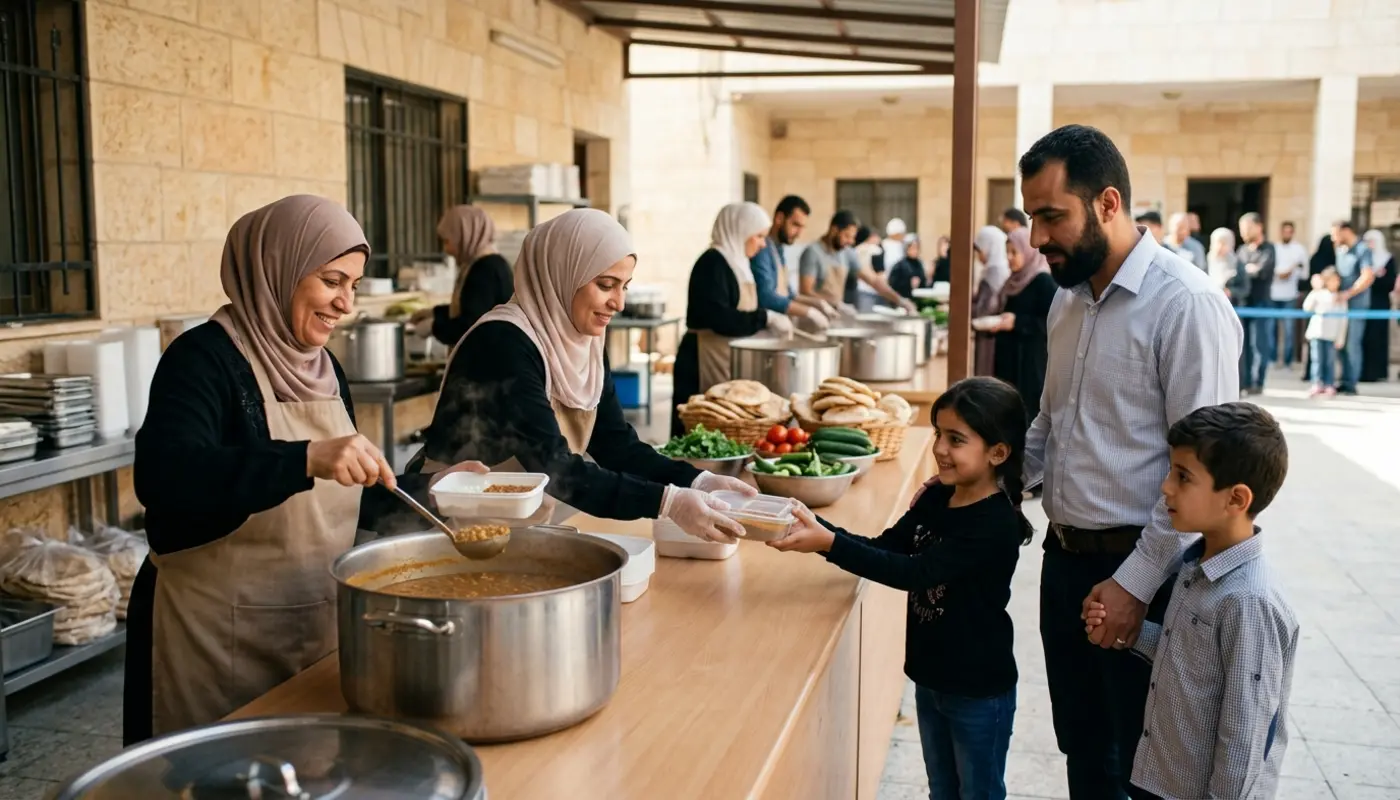
Hot meals are vital for families living in tents, schools, damaged buildings, or crowded shelters where cooking is not possible. Community kitchens can turn bulk ingredients into ready meals at scale, which is a lifeline when fuel and private cooking space are scarce.
Other support can look less obvious but still feeds families. Flour and bread programmes support bakeries where they can operate. Cash or vouchers may help households buy available essentials when markets are partly functioning. Nutrition support can target infants, pregnant women, breastfeeding mothers, and people at higher medical risk.
Logistics also matter. Fuel, storage, vehicles, driver costs, safeguarding checks, and monitoring are not glamorous, but without them food does not move. Donate Directly uses AI verification and detailed case reviews to help funds reach the right people quickly and transparently, with no platform fee, and its direct cash assistance model has delivered over $10 million to families worldwide.
How Families Are Prioritised For Food Support
Food distribution teams normally use needs assessments, registration lists, community knowledge, partner referrals, and location data to decide who is reached first. Priority is usually given to people facing the greatest risk, such as newly displaced families, children, older people, pregnant and breastfeeding women, people with disabilities, female headed households, and families with no income or cooking facilities.
The exact criteria vary by programme, and good charities should be honest about that. In a fast moving emergency, lists also change because people move, shelters fill up, routes close, and needs worsen quickly.
Priority food support may include: Displaced family meals; emergency food parcels; community kitchen support; fresh supply convoys; infant nutrition aid; and verified local distribution.
The phrase last mile is often used in aid work. It simply means the final, hardest part of delivery: getting food from storage or a kitchen to the people who actually need it. In Gaza, the last mile can involve walking routes, local volunteers, distribution points, partner staff, crowd management, and careful timing. It can also involve difficult choices when demand is far higher than supply.
That is why dated delivery evidence matters more than vague claims. A credible charity should be able to explain what was delivered, where possible, when it happened, and which checks were used.
How UK Donors Can Check A Food Donation Is Reaching Families
Before donating, check whether the charity is legally registered, publishes its charity number, explains its Gaza programme, and provides up to date evidence of delivery. Registration is a useful starting point, but it is not proof that a specific programme is effective.
Look for annual accounts, trustee reports, safeguarding policies, complaints routes, partner information, and clear explanations of whether the appeal is restricted or unrestricted. If a charity says donations support food boxes, hot meals, or direct cash assistance, it should avoid muddling donations received with meals delivered. Those are not the same thing, and donors deserve plain English.
It is also worth asking what happens if access changes. A responsible organisation may move from parcels to hot meals, from hot meals to cash, or from one area to another if conditions shift. That flexibility can be sensible, provided the charity explains it properly.
Donate Directly's model is built around direct support, AI verification, and case review, helping reduce unnecessary delays and avoid middlemen where possible. For broader practical giving advice, the article on donating food gives useful extra context for donors comparing food parcels, local distribution, and online giving.
Zakat And Sadaqah For Feeding Gaza Families
For Muslim donors, feeding families in Gaza may be given as Zakat or Sadaqah, depending on the programme and the donor's intention. Zakat is an obligatory act of worship for eligible Muslims and must be given to eligible recipients under recognised categories. That means donors should check whether the charity has a clear Zakat policy, how it identifies eligible recipients, and whether scholar oversight or case review is in place.
Donate Directly has verified campaigns eligible for Zakat covering Gaza, Pakistan, Yemen, and beyond, and donors can use its Zakat calculator if they need a simple starting point.
Sadaqah is voluntary charity and is usually more flexible. It can support food, water, shelter, medical care, logistics, fuel, and other urgent needs. Zakat al Fitr, given at the end of Ramadan before Eid prayer, is also connected to food support for those in need, although donors should follow their chosen scholarly guidance on timing, amount, and distribution.
If you are unsure whether a particular Gaza food programme qualifies for Zakat, ask the charity directly and, for personal religious rulings, speak to a qualified scholar. It is far better to ask one careful question than to spend the whole evening in a group chat argument with twelve confident uncles.
Can Feeding Gaza Count As Sadaqah Jariyah?
Sadaqah Jariyah means ongoing charity, where the benefit continues after the initial donation. A one-off hot meal is usually immediate Sadaqah because it meets an urgent need there and then. That is still deeply valuable, especially when hunger is severe, but it may not always be classed as ongoing charity.
A project is more likely to fit Sadaqah Jariyah when it creates continued benefit, such as a water well, olive tree planting, a sustainable kitchen, or a long term food security project. Donate Directly offers Sadaqah Jariyah options including olive trees, water wells, food boxes, and Palestinian date tins, so donors can match their intention with the nature of the project.
The classification can depend on the project design and scholarly interpretation. For example, funding equipment for a community kitchen that keeps serving meals over time may be viewed differently from funding a single cooked meal. Similarly, supporting clean water can have a longer lasting benefit because families use it daily for drinking, cooking, and hygiene.
If Sadaqah Jariyah is your intention, check the project duration, what remains after the donation is spent, and who continues to benefit. You can explore ongoing charity options through Sadaqah Jariyah.
How Gift Aid Can Increase A UK Gaza Food Donation
Gift Aid can increase an eligible UK charity donation without costing the donor extra, but it has rules. Under HMRC guidance, a charity can usually claim 25p for every £1 donated when the donor is a UK taxpayer, has paid enough Income Tax or Capital Gains Tax, and has completed a valid declaration. So, a £100 eligible donation may allow the charity to claim an extra £25.
This is general information, not personal tax advice, and donors should check the official Gift Aid rules if they are unsure.
Gift Aid is not automatic, and it cannot be claimed on every payment. For example, there can be restrictions where a donor receives a benefit in return, gives on behalf of someone else, or has not paid enough UK tax. Higher rate taxpayers may also be able to claim additional relief through their own tax return.
If you are donating to feed families in Gaza, Gift Aid can help stretch the value of your gift, but only when it is claimed correctly. Good charities make the declaration process clear and do not pressure people to tick a box they are not eligible to tick.
Cash, Food Parcels Or Goods: What Works Best?
For most UK donors, cash through a trusted organisation is usually more practical than sending physical food. It avoids customs problems, expiry issues, transport costs, unsuitable items, and delays caused by uncoordinated shipments. Cash also lets organisations respond when conditions change, which they often do.
If flour is available but fuel is short, the priority may become cooking gas. If families cannot cook, hot meals may be better than dry goods. If local markets are functioning in some areas, vouchers or cash support may help families choose what they need most.
That does not mean food parcel appeals are wrong. They can be very effective when supply chains, packing, transport, and distribution are properly organised. The key is to support a charity that explains the route from donation to delivery, names the type of aid being funded, and reports results carefully.
Feeding families in Gaza is not simple, but donors can still give with confidence when they combine compassion with due diligence. Look for transparency, current evidence, clear fund rules, and honest communication when plans have to change.
Frequently Asked Questions
How Do Food Donations Actually Reach Families In Gaza?
Most donations are given as cash, then used by charities and partners to fund food parcels, hot meals, kitchens, vouchers, transport, or supplies. Local teams then distribute support based on need, access, and available resources.
What Challenges Affect Food Aid Delivery To Gaza Families?
Delivery can be affected by crossings, inspections, damaged roads, fuel shortages, insecurity, overcrowding, and changing displacement patterns. Aid reaching an entry point still has to complete the difficult last mile to families.
Can My Gaza Food Donation Count As Zakat Or Sadaqah?
It can count as Sadaqah if given voluntarily, and it may count as Zakat if the programme distributes to eligible recipients under a clear Zakat policy. Always check the charity's policy and ask a qualified scholar if needed.
How Can Gift Aid Increase My Gaza Food Donation?
If you are an eligible UK taxpayer and complete a valid declaration, the charity may be able to claim an extra 25p for every £1 donated. This depends on HMRC rules and your tax position.
Can Donating Food For Gaza Families Count As Sadaqah Jariyah?
A one-off meal is usually immediate Sadaqah, while projects with ongoing benefit may be Sadaqah Jariyah. Check whether the project continues helping people after the initial donation is spent.